

2018 International Roadcheck – June 5-7, 2018

The 31st Annual International Roadcheck will take place on June 5-7, 2018. During those 72 hours, the Commercial Vehicle Safety Alliance (CVSA) will perform a marathon of inspections. This massive undertaking helps save lives by reducing collisions and other incidents by taking unsafe vehicles and drivers off of highways. With CayCan, you can learn how to prepare your vehicle and avoid fines or being placed out of service.
This year’s focus is on hours of service compliance. Hours of service regulations define maximum driving times and minimum off-duty times for drivers of commercial vehicles in Canada. These limits help to prevent dangerous fatigue-related incidents from happening. Our online Hours of Service courses (Federal and Alberta) provide comprehensive information in an easy to understand format to help you prepare for this year’s International Roadcheck. In 2017, almost 3,000 drivers were placed out of service during International Roadcheck. The top driver-related violation was for hours of service.
On top of the focus on hours of service compliance, International Roadcheck also includes the North American Standard Level I inspection. This is a 37-step procedure that includes an examination of both driver operating requirements and vehicle mechanical fitness.
In 2017, over 62,000 inspections were conducted during International Roadcheck. Almost 20 percent of commercial vehicles inspected resulted in them being placed out of service, with 4.7 percent of drivers inspected also being placed out of service.
Read more about International Roadcheck here.
Latest Blogs
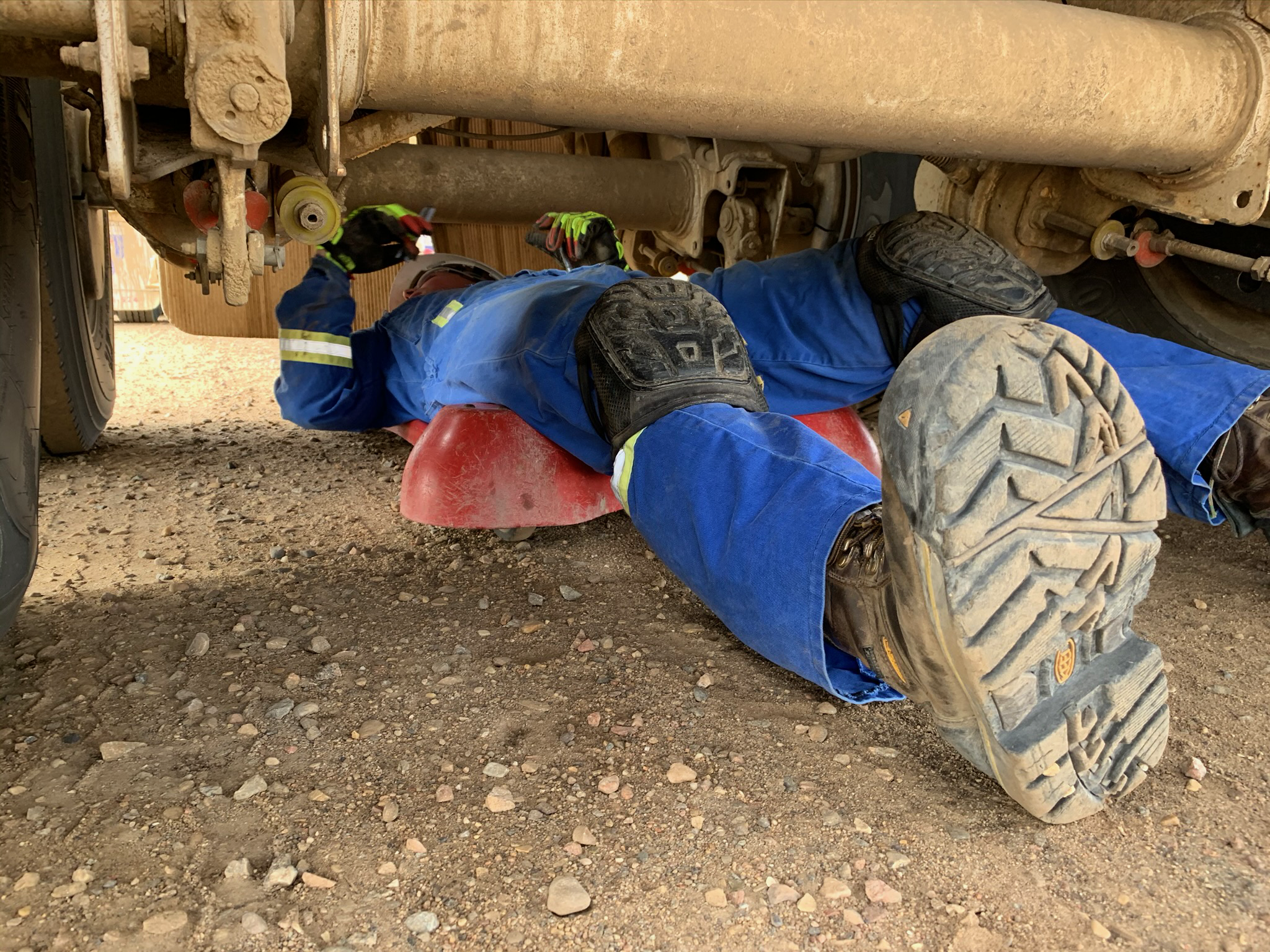

Brake problems are one of those issues that can be easy to overlook during the day-to-day operation of a commercial vehicle. A truck can start its day, travel hundreds of kilometres and appear to be operating normally, all the while developing a brake related issue that may not be found until it’s a much bigger issue.